

This workshop is proudly supported by the PGME Award from the University of Toronto.
This workshop explores how LLMs can support humanistic clinical practice through communication, reflection, and cultural understanding — without replacing the empathy and professional identity at the heart of care.
Explore how LLMs can help translate complex clinical data — such as medical imaging reports — into culturally safe, patient-centered narratives that preserve dignity and understanding.
Foster intergenerational and cross-disciplinary conversation on the ethical integration of AI in clinical practice, bridging medical humanities and emerging technology.
Critique AI-generated patient communications for clinical accuracy, empathetic tone, and health literacy — developing the judgment to use AI responsibly in care settings.
Co-create a practical toolkit of validated prompts for culturally safe patient communication — a lasting resource for equitable, AI-supported clinical encounters.
By the end of the workshop, participants will have developed practical frameworks at the intersection of AI, empathy, and patient-centered clinical care.
Analyze the ethical conflicts and algorithmic biases introduced by AI in clinical settings, distinguishing between risks to patient privacy and opportunities for health advocacy.
Demonstrate the use of LLMs to translate complex clinical data (e.g., highly technical Medical Imaging reports) into culturally safe, patient-centered narratives.
Critique AI-generated patient communications for clinical accuracy, empathetic tone, and health literacy appropriateness.
Formulate a personal and professional framework for maintaining humanistic, equitable patient care in an increasingly AI-mediated healthcare environment.
A focused 90-minute journey through empathy, demonstration, and clinical dialogue.
During the workshop, we'll walk through our curated AI toolkit live, showing how the quality of a prompt directly shapes the quality of a clinical conversation. Participants will see how small changes in phrasing can transform a technical medical exchange into a compassionate, patient-centered one.
Side-by-side prompt comparisons showing how different approaches yield outputs that vary in empathy, cultural safety, and patient-centeredness.
Ready-to-use prompt templates for translating imaging reports, navigating difficult conversations, and communicating across health literacy levels.
A take-home Empathy & AI guide co-created with participants during the session, shared openly after the event.
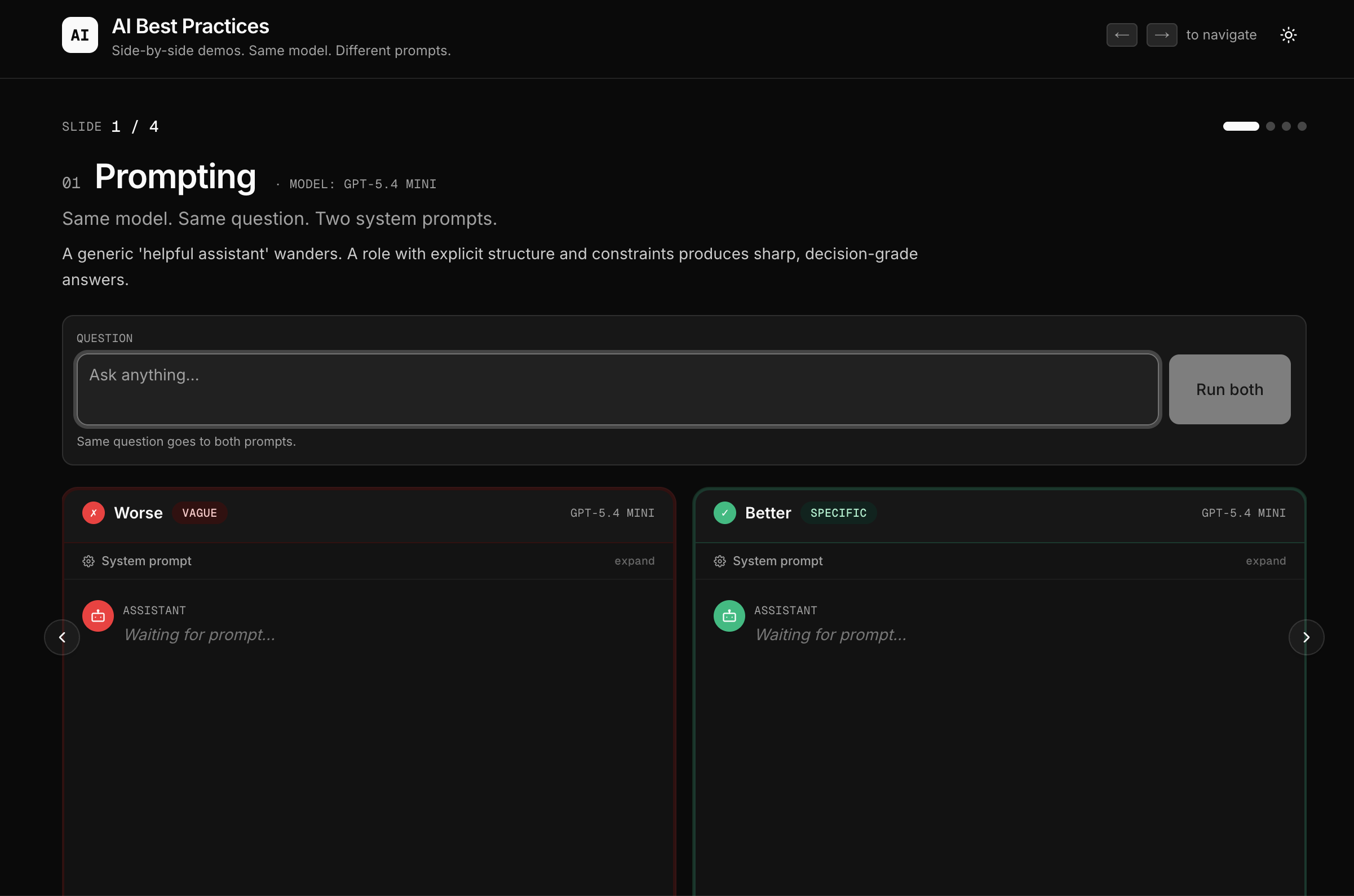 Live Demo
Join us June 22, 2026 at 5 PM via Zoom. Open to University of Toronto trainees, researchers, faculty, and interdisciplinary collaborators.
Register via Zoom